Through Ameriwell’s Family-Based Support program, eligible family members can become paid caregivers for the person they already know and care for.
Earn up to $30/hour — and potentially more when your loved one has approved enhanced behavioral or medical support needs. Eligible caregivers can also join our 401(k) retirement plan.
You provide the familiar, trusted care. Ameriwell handles the employment, training, payroll, paperwork, and ongoing support.
You shouldn’t have to choose between earning a living and being there for your loved one. Through New Jersey’s DDD program, Ameriwell can hire you as their official caregiver at up to $30/hour, and higher pay may be available when your loved one has approved enhanced behavioral or medical support needs. You give the care; we handle everything else — see agency-managed vs. self-directed services.
Earn up to $30 an hour. Higher rates are possible for approved enhanced behavioral or medical support needs.
Respite care is built in. When you need time off, we arrange a trained caregiver you approve to step in — so rest never has to mean guilt.
We train you, coach you, and stay one call away. You’re never guessing alone — not at 9am, not at 9pm.

Employment & payroll

Onboarding & training

Documentation & compliance

DDD requirements

Ongoing team support
With Ameriwell, you don’t have to navigate the process alone. You continue providing the familiar care your loved one knows and trusts, while Ameriwell helps make the process smooth and simple.
From your first call to your first paycheck, we keep it simple. Three steps, no maze.
Tell us about your loved one and your situation. We’ll confirm eligibility through NJ DDD and answer every question — usually within a day.

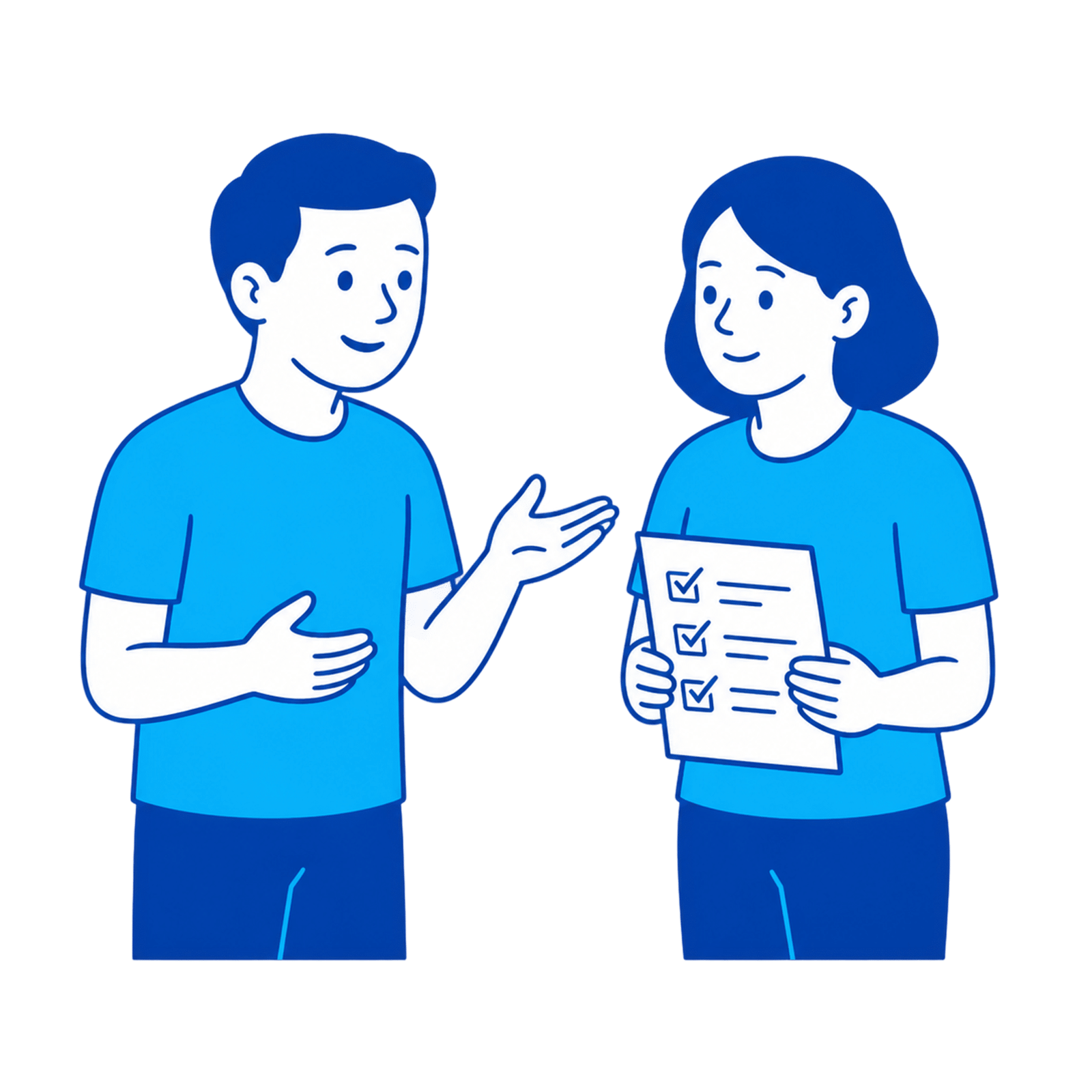
Training, enrollment, and paperwork — handled. Whether you’ve been caring for years or are just starting, you’ll feel ready.
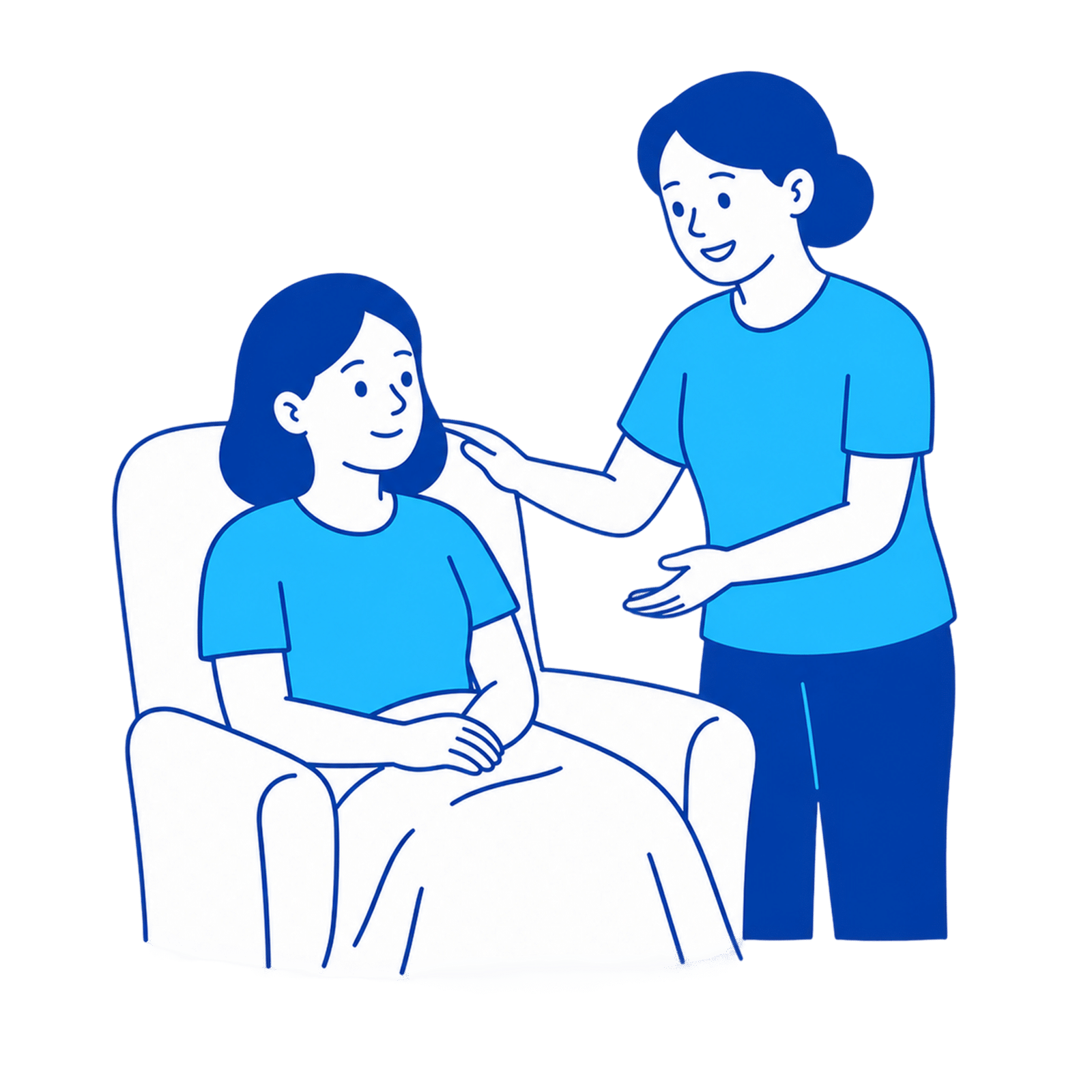
Keep doing what you already do — now with pay, backup, and regular check-ins to make sure you and your loved one are thriving.
Yes. Through New Jersey’s Division of Developmental Disabilities (DDD), family members can be hired and paid as official caregivers for a loved one with a developmental disability. Ameriwell employs you, trains you, and pays you — up to $30 an hour.
Up to $30 per hour. Higher pay may be available when your loved one has approved enhanced behavioral or medical support needs, and Ameriwell explains the applicable rate before services begin. Family caregivers are Ameriwell employees, so eligible caregivers can also join our 401(k) retirement plan.
Potentially, yes. Individuals with approved enhanced behavioral or medical support needs may qualify for different service rates. Ameriwell will review your loved one’s DDD plan and authorized services and explain the applicable caregiver pay rate before services begin.
Self-directed care makes you the employer — you manage payroll, paperwork, and substitutes yourself. With Ameriwell, we handle all of it, arrange respite backup when you need a break, and stay involved with training and real support.
Generally, you’re caring for a family member with a developmental disability who is eligible for NJ DDD services. Every family’s situation is different — reach out and we’ll help you confirm eligibility, usually within a day.
In most cases the person you have in mind can be paid. Any family member — parents, siblings, children, grandparents, aunts, uncles, cousins — and close family friends are routinely hired and paid as caregivers through New Jersey’s DDD programs. If you are already providing the care, there is usually a route to being paid for it.
The route depends on which program is funding the care, so rather than have you guess, we check it on the first call: which program your loved one is enrolled under, what their current plan already authorizes, and who can be paid under those rules. In the rare case the first choice does not qualify, there is almost always another arrangement that works.
What we need from you is straightforward: who the person is, what support they already receive, who is providing it now, and who wants to be paid for it. If you are still working out what the state funds at all, our guide to NJ DDD services and the page on what DDD covers set out the wider picture.
Families sometimes worry that being paid will turn something personal into something bureaucratic. In practice the day-to-day rarely changes much. You are already doing the work; what changes is that it is recorded, funded and supported.
The record-keeping is real but light: hours logged, and the support you provide named in the Individualized Service Plan alongside everything else the person receives. That plan is reviewed at least once a year with the Support Coordinator, and the review is where you can raise what is genuinely working and what is not. Being the paid caregiver puts you in that conversation rather than outside it, which is usually the single biggest practical gain.
The other thing that changes is that you stop being the only option. Backup coverage exists so that an illness, an appointment or a week away does not mean the care stops. Respite is part of the arrangement, not a favor. Families who want the care split between home and time out in the community often pair this with community-based support or home-based support, and our articles on support and care cover how those routines settle over time.
Same love. Same familiar face. Now with the support of Ameriwell. Families already know their loved one best — we help eligible family members turn the support they already provide into paid employment, with guidance, payroll, training, compliance, and a team behind them every step of the way.
Family care. Ameriwell support. One team.
Need help? Our team is just a message away